top of page

General post
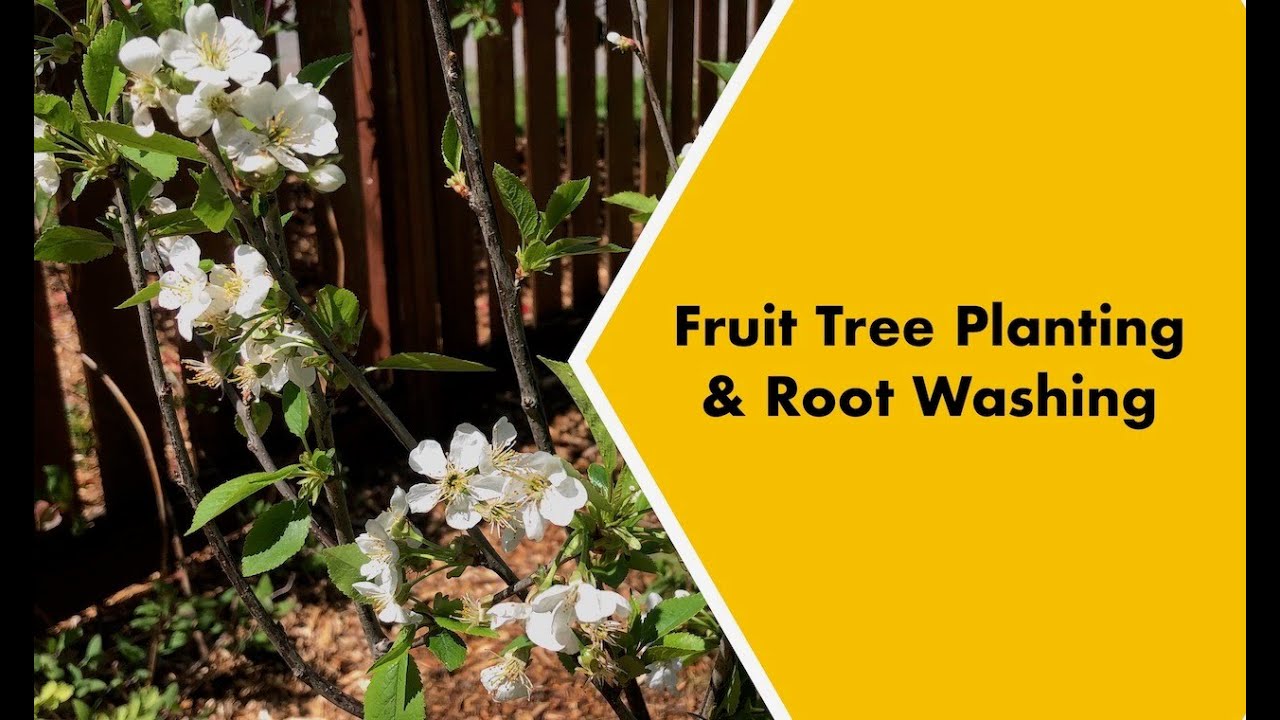
How to Plant a Small Tree
So you want to add a tree to your property? In this video, learn tips and techniques for how to plant a small tree, including root washing and pruning, preparing the planting hole, planting depth, watering and mulching. Contact Tree133 if you have questions about tree care on your property.


Create a Wildlife Snag in Your Landscape
Look up in a healthy forest and you'll likely see a snag - a standing dead or dying tree - often missing the top or most of the large branches. Snags provide rich habitat for birds, mammals and insects that use nearly every part of these "dead" trees. A healthy urban forest also includes snags. Portions of declining trees retained in residential yards provide critical wildlife habitat and a refuge for hundreds of creatures. Wildlife trees create opportunities to observe birds


Hazard Mitigation in Large Conifers
Two common "defects" in large conifers are codominant structure – multiple competing tops – and the development of "overextended" limbs beyond the natural canopy shape. Both of these increase the likelihood of a large failure and resulting consequences. However, there are proven methods to manage these conditions and provide peace of mind for homeowners. Subordination Pruning This technique for managing codominant structure “slows down” the growth of one leader and promotes


Tree Protection During Construction
We are used to looking up at trees. But look down at the base of the trunk and imagine roots extending 2x the width of the canopy (or more) all around the tree. The physics of trees are pretty amazing and often misunderstood. For instance, many people don't realize the most sensitive roots are found in the upper 6-12 inches of soil. This makes them easily susceptible to damage. However, they are not visible beneath a lawn or landscaping and thus are easily forgotten. Con


Cabling and Bracing in Small Trees
Trees are biologically designed to withstand wind and load. However, heavy foliage/fruit or a weather event may cause a split in a small tree. Cabling and bracing in small trees can help them withstand weather events. Tree133 recently completed a small cabling project on a redbud that split in last winter's snow. As the tree is a sentimental favorite of the homeowner, she had tried a variety of DIY solutions with limited results before calling for help. With careful reduction


The Art and Science of Proper Pruning
While trimming small trees in the yard may seem like a simple DIY project, pruning is much more than simply sawing off limbs or giving the tree a "haircut" by removing outer foliage. If too much live tissue is removed, an otherwise healthy tree can become stressed or decline. Proper pruning is based on the scientific principles of plant physiology. It promotes beneficial growth, improves plant health, removes damaged limbs and can increase flower and fruit production (if desi

Minimizing Load Forces: TreeStuff Micro Rigging Lab
Craig was invited into the the TreeStuff Micro Rigging Lab at TCI Expo 2019 to talk about rigging angles to minimize load in the tree. Craig and Tree133 are committed to sharing our knowledge to help improve the safety and skills of fellow arborists. Submit a training inquiry to learn how we can help improve skills for you and your crew. * Read Joe Harris' article Working the Angles


The Tree Upon the Tree House
Hemlock Removal & Maple Reduction – Vashon Island, WA Until we saw this scenario first-hand, it was very difficult to envision… a failed Western Hemlock (Tsuga heterophylla) lodged against a tree house in a Big leaf Maple (Acer macrophyllum). Even after completing the work, it’s still hard to describe. The tree house was frequently used by the client’s children, and the declining Maple was already a concern. The tree was in severe decline with more than half of the canopy dea


The Dead Pine Over the Playset
Scots Pine Removal – West Seattle, WA Dead trees pose a significant hazard as they begin to deteriorate. Limbs become brittle and can break unexpectedly or the entire tree can fail near the base. Depending on the tree’s location, complete tree removal may be the best – or only – option to mitigate risk to people/structures. At this site, a new children’s play structure had been installed directly under this Scots Pine (Pinus sylvestris). Completing removal of the dead pine ov


A Hidden Hazard Near High-Voltage Wires
Removal of Hollow Western Hemlock – Shoreline, WA Western Hemlocks (Tsuga heterophylla) are notorious for decay in the roots and lower trunk, caused by Heterobasidion annosum (annosus root rot) and other organisms. When the decay spreads, it becomes defused throughout the trunk and can cause sudden whole-tree failure resulting in property damage or injury. Declining limbs in the upper canopy are a common indicator of declining health and the need for a risk assessment. For th


A Hazard Pacific Madrona On the Hill
Pacific Madrona Removal – Kirkland, WA The Pacific Madrona (Arbutus menziesii) has one of the largest habitat ranges in North America. Populations of these unique trees are found along the Pacific Coast from British Columbia down to Mexico. In Canada, they are referred to as Arbutus. Here in Washington, we call them Madrona. From Oregon south, they are commonly referred to as Madrone. These trees prefer the forest edge with a mixture of sun and shade. They do not tolerate dr


The Sentinel at the Cemetery
Removal of Hollow Lombardy Poplar – North Seattle, WA Lombardy Poplar (Populus nigra ‘Italica’) trees can grow up to 150 feet tall. They are often planted in rows as “living walls” and privacy screens. Trees within the Populus genus, including Cottonwoods, Poplars and Aspen, are known for rapid growth and then rapid decline. This particular tree was located in a large cemetery in North Seattle. It had been previously pruned to remove dead limbs. The tree was declining furthe


The Oak Over the House
Hazard Reduction Pruning of Large Red Oak – Seattle, WA One of the largest and oldest Red Oaks (Quercus rubra) in the city of Seattle is rooted in a residential parking strip in Capitol Hill. With a trunk nearly 5 feet in diameter, this spectacular tree is nearly 120 years old. The massive canopy of this oak over the house spreads over 100 feet across a busy city street and six residential properties. In 2016, the property closest to the base of the tree was redeveloped. The


The Failed Limb Upon The Fence
Analysis of Big Leaf Maple Failure – Kirkland, WA This Big Leaf Maple (Acer macrophyllum) had failed before we arrived. The tree was...


The House Within the Apple Tree
Assessment of Apple Tree with Large Tree House – Kenmore, WA Many years ago, the client began building a tree house in an old apple tree. The project evolved and it became a three-story structure with significant weight. Was the Apple tree healthy, stable and strong enough for this use? Tree133 was asked to inspect the tree and provide guidance. This was an unusual project because the tree house was built in a relatively small tree. The homeowner had some structural engineeri


Classroom Construction and Cut Roots
Damage Assessment for a Large Douglas-Fir – Lynnwood, WA An elementary school was in process of building a new science classroom. The excavation and construction occurred within the dripline of two large Douglas-Firs (Pseudotsuga menziesii) that were each more than 30 inches diameter and over 100 feet tall. The term “dripline” describes the outer limit of branches and foliage. The area inside is the zone of greatest importance for tree health and stability. Root loss or damag

Angles, Redirects & Forces in the Tree: Rigging for Professional Arborists
At TCI Expo 2019, Craig was invited into the the TreeStuff Micro Rigging Lab to demonstrate climbing and rigging for professional arborists. Watch as he explains rigging systems to reduce force in the tree and improve climbing safety. Contact Tree133 for specialized technical services and arborist skills training.
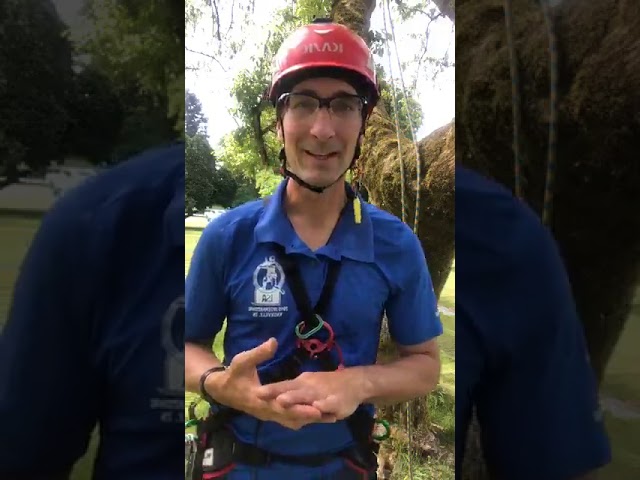
Work Positioning For Safety - TreeStuff Webinar
In this webinar for tree care professionals, Craig offers techniques for proper work positioning along with tips on making your tree climbing experience safer and easier. To learn more about professional training support for your team, contact Tree133 today ! Recorded on 5/29/20 at Evergreen Washelli Memorial Park in Seattle, WA.


Tree133: A New Look
If you live in or around Seattle, you might have seen our "big blue truck" and maybe our dog, Jack - he's the best "backseat driver" in the crew. The truck has served us well... but even with outstanding service and maintenance from the experts at Jeff's Auto - Sandpoint , it is time to retire this 16-year-old workhorse. So... We have just acquired a "new-to-us" truck. While it looks a bit burlier than planned, it provides Tree133 with the power and reliability we need to pul


Tree133: A New Team Member
We're excited to announce that Joanna Bachmann has joined the Tree133 team! Since our founding, Joanna has been supporting Craig and the...
bottom of page