Search Results
Search this site
57 results found with an empty search
- How to Plant a Small Tree
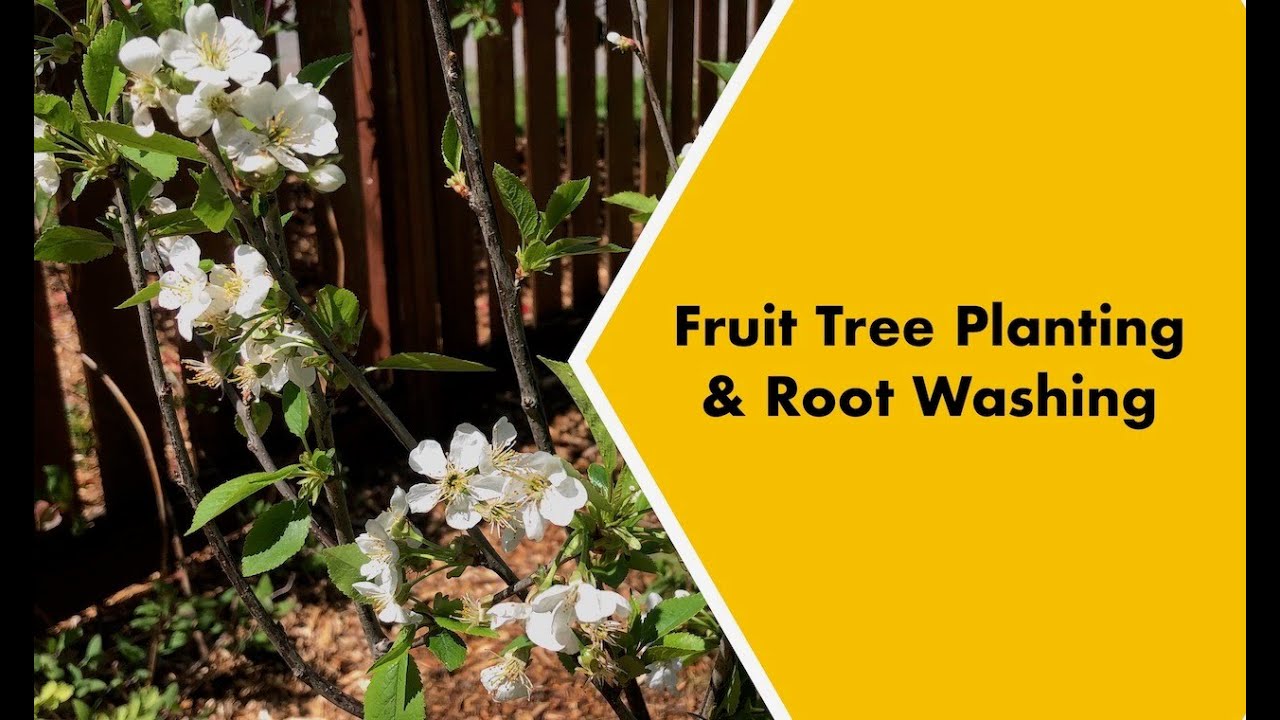
So you want to add a tree to your property? In this video, learn tips and techniques for how to plant a small tree, including root washing and pruning, preparing the planting hole, planting depth, watering and mulching. Contact Tree133 if you have questions about tree care on your property.
- Tree Care Basics: Watering
During periods without rainfall, trees should be thoroughly watered on a regular schedule. Slow, deep watering provides a cool drink for thirsty trees and creates a water reserve, much like filling up a sponge. Tree roots draw from the reserve until the next watering session. This encourages development of deeper roots and helps sustain trees during hot dry summers. A thick layer of woody mulch around your tree is also valuable to help retain soil moisture. Current science suggests deep, soaking irrigation applied every 3-4 weeks is best. Water your trees during summer months without significant rainfall, typically June - September, adding May and October as needed. Trees For Seattle recommends that newly planted young trees need 15-20 gallons of water twice per week. Mature trees need substantially more water, potentially 1-3 hours of soaking irrigation each month, depending on tree size. Urban landscapes often have compacted soils which makes it difficult for water to penetrate top layer of soil. A lawn sprinkler is NOT adequate and can promote shallow tree roots. Trees do not receive sufficient water from lawn irrigation systems and schedules. We suggest using a deep root watering probe that connects to your garden hose to deliver water directly to the tree’s root zone. Start 3-6 feet from the base of the trunk and push the tool 6-12 inches into the ground to get below the surface compaction layer. Turn the water on low and let it run for 15-20 minutes. Then, move the probe to a second location (1-2 big steps) within the drip line of the tree - the area between the edge of the foliage and the tree trunk. For trees up to 12 inches diameter, water in 2-4 locations around the tree. Increase the number of locations for larger trees. You can also water your trees with just a hose. Set to low flow (just above a trickle) and thoroughly saturate the soil. It is important to run the water long and slow to avoid run-off and evaporation. Move the hose every 15-20 minutes. Do you have questions about when and how much to water your trees? Contact the certified arborists at Tree133. We are happy to help!
- The Sentinel at the Cemetery
Removal of Hollow Lombardy Poplar – North Seattle, WA Lombardy Poplar (Populus nigra ‘Italica’) trees can grow up to 150 feet tall. They are often planted in rows as “living walls” and privacy screens. Trees within the Populus genus, including Cottonwoods, Poplars and Aspen, are known for rapid growth and then rapid decline. This particular tree was located in a large cemetery in North Seattle. It had been previously pruned to remove dead limbs. The tree was declining further with newly dead limbs visible in the upper canopy. This type of dieback is often the result of root disease or decay. In mature trees, there may be significant decay in the lower trunk even though much of the canopy is still green. Like many trees in this genus, structural defects in Lombardy Poplars are easily overlooked when the tree “looks OK” to a casual observer. A member of the cemetery grounds crew noticed a small cavity (6 inches diameter) in the trunk and Tree133 was called for risk assessment and mitigation. Our assessor quickly determined the lower trunk was hollow. Watch Craig's video for a closer look... The tree was over 44 inches diameter. However, the remaining “shell wall” thickness was less than 5 inches. This was compounded with significant decay in large roots close to the trunk. Together, these “red flags” indicated a hazard tree that needed to be removed promptly. Working in a cemetery requires great care with irreplaceable “targets” to protect – gravesites, fragile monuments and stone markers. The hazardous condition of this tree made it both unsafe to climb and unsuitable for technical rigging with ropes. We had a serious concern about whole-tree failure during the removal process. To perform the work safely, Tree133 utilized a large crane to carefully dismantle the tree. Rather than cutting and dropping pieces, the crane enabled us to “pick” large tree pieces and “fly” them to a designated landing area. The combination of Tree133’s extensive crane experience and clear communication with the crane operator made the project a success. Working together, our team successfully identified and eliminated a significant hazard for the cemetery and its visitors. All work was performed using safety best-practices to ensure the well-being of our crew and the public. If you are concerned about trees on your property, contact Tree133 for a professional risk assessment.
- The House Within the Apple Tree
Assessment of Apple Tree with Large Tree House – Kenmore, WA Many years ago, the client began building a tree house in an old apple tree. The project evolved and it became a three-story structure with significant weight. Was the Apple tree healthy, stable and strong enough for this use? Tree133 was asked to inspect the tree and provide guidance. This was an unusual project because the tree house was built in a relatively small tree. The homeowner had some structural engineering knowledge, but limited experience with trees. Throughout construction, numerous pruning cuts were made which resulted in wounds and cavities in the tree. Further, the client used a variety of outdated methods to fill the cavities and “paint” the cuts. Tree133 performed a thorough inspection of the Apple tree, evaluating both health and stability. Based on this inspection, we advised the client on areas of concern and discussed options to reduce the load carried by the tree. We shared advice regarding proper care of tree cavities and pruning cuts. Filling cavities is detrimental and wound “paints” are unnecessary, often inhibiting the tree’s natural response growth. We also provided recommendations for protecting the root zone and maintaining proper irrigation. With this input, our client was empowered to better care for this important tree and enable his friends and family to continue enjoying this unique tree house. Contact Tree133 for professional tree risk assessment and tree care advice.
- The Art and Science of Proper Pruning
While trimming small trees in the yard may seem like a simple DIY project, pruning is much more than simply sawing off limbs or giving the tree a "haircut" by removing outer foliage. If too much live tissue is removed, an otherwise healthy tree can become stressed or decline. Proper pruning is based on the scientific principles of plant physiology. It promotes beneficial growth, improves plant health, removes damaged limbs and can increase flower and fruit production (if desired). Together, these benefits enhance the aesthetic appeal of your tree and add value to your property. At Tree133, we use scientifically sound practices to improve tree structure and promote long-term health. We follow best practices from the American National Standards Institute (ANSI A300) regarding pruning methods, techniques and even the tools we use. Our Certified Arborists follow ANSI standards in all aspects of our work. We are careful to: Retain foliage to protect tree health Preserve branching structure to promote strength and resilience Protect other parts of the tree during pruning Use only non-invasive climbing techniques (no spikes) for pruning Effective pruning requires combination of scientific knowledge and practical experience. It can feel overwhelming to those not familiar with the techniques. Here at Tree133, we can answer your questions and work with you to determine the best approach to care for your trees. Click here to contact us today ! Before Katsura after pruning
- Modern Chainsaw Skills - TreeSfuff Field Edition
In this webinar for professional arborists, Craig Bachmann reviews proper cutting techniques and angles. Contact Tree133 for specialized technical services and arborist skills training.
- Importance of Equipment Inspection: TCIA Podcast
If you are a climbing arborist, when was the last time you inspected your gear? Is there something in your bag that needs to be retired or replaced? Craig was invited to chat with Tchukki Anderson at TCIA about gear inspection for tree care professionals. Follow this link to listen on your preferred platform. Craig and Tree133 are committed to sharing our knowledge to help fellow arborists improve skills and safety on the job. Submit a training inquiry to learn how we can help improve skills for you and your crew.
- Hazard Mitigation in Large Conifers
Two common "defects" in large conifers are codominant structure – multiple competing tops – and the development of "overextended" limbs beyond the natural canopy shape. Both of these increase the likelihood of a large failure and resulting consequences. However, there are proven methods to manage these conditions and provide peace of mind for homeowners. Subordination Pruning This technique for managing codominant structure “slows down” the growth of one leader and promotes dominance in the other. By intentionally removing the the top of one leader with a carefully placed pruning cut (3-4 inches diameter). This type of gentle subordination will encourage the tree to naturally direct energy into the taller remaining top. Please note: this is not the same as "topping" a tree. Topping is simply a term for over pruning with large cuts that cause structural decay and lead to the development of poorly attached branches. Canopy Reduction The proven strategy to manage overextended limbs is reduction pruning. With this technique, the length and end-weight of large limbs are reduced by 15-20%. This “shortens the lever arm” and directly reduces the likelihood of failure. Targeted pruning at the end of the limb, using cuts up to 3 inches in diameter, promotes rapid wound closure. Retaining interior foliage protects tree health and encourages lateral growth, rather than extension. Please note : canopy reduction is very different from the antiquated practice of “wind thinning” or "windsailing" of conifers. These detrimental practices remove entire branches with the intention of allowing wind to pass through the tree. There is no scientific basis for this practice. Removing entire limbs actually promotes development of longer, larger limbs that are more likely to fail and more damaging when that happens. Cable Support Systems In codominant trees, limbs and foliage tend to grow outward on each stem and naturally create leverage. This generates outward force on the point of attachment. Further, narrow "v-shape" unions between codominant stems are significantly weaker compared to more open "u-shaped" unions. These factors increase the likelihood of failure at codominant unions. Subordination and/or canopy reduction pruning is the first step to mitigate this risk. Installation of a cable support system provides a higher level of protection which is particularly valuable when the tree is located near significant targets (e.g. structures, vehicles, pedestrians, etc.) If you have questions or concerns about large conifers on your property, contact Tree133 .
- Tree133: A New Look
If you live in or around Seattle, you might have seen our "big blue truck" and maybe our dog, Jack - he's the best "backseat driver" in the crew. The truck has served us well... but even with outstanding service and maintenance from the experts at Jeff's Auto - Sandpoint , it is time to retire this 16-year-old workhorse. So... We have just acquired a "new-to-us" truck. While it looks a bit burlier than planned, it provides Tree133 with the power and reliability we need to pull our work trailer on the steepest Seattle streets. Thanks to the pros at McNamara Signs , the new truck is easy to spot on the road and at the job site. For professional tree care service - or to meet Jack - contact Tree133 .
- Trees Support Each Other
Have you ever seen a tree that looks like it's propped up on legs? The tree likely grew on debris or sprouted on a nurse log, rather than rooting directly in the ground. This Western hemlock (Tsuga heterophylla) in the Lake City neighborhood in North Seattle had died and was going to be removed. It was possible to excavate around the roots and actually see the structure and nurse log. For 40-50 years, the nurse log provided ground cover and reduced soil erosion around the roots, even as the tree endured periodic flooding and moisture from Thornton Creek. If you have questions about tree care and maintenance or want more information about a tree risk assessment, contact a professional arborist at Tree133 . If you live in Seattle, check out the Thornton Creek Alliance , a group working to restore Seattle's vital creek ecosystem.
- Work Positioning For Safety - TreeStuff Webinar
In this webinar for tree care professionals, Craig offers techniques for proper work positioning along with tips on making your tree climbing experience safer and easier. To learn more about professional training support for your team, contact Tree133 today ! Recorded on 5/29/20 at Evergreen Washelli Memorial Park in Seattle, WA.
- Minimizing Load Forces: TreeStuff Micro Rigging Lab
Craig was invited into the the TreeStuff Micro Rigging Lab at TCI Expo 2019 to talk about rigging angles to minimize load in the tree. Craig and Tree133 are committed to sharing our knowledge to help improve the safety and skills of fellow arborists. Submit a training inquiry to learn how we can help improve skills for you and your crew. * Read Joe Harris' article Working the Angles